
 0424030023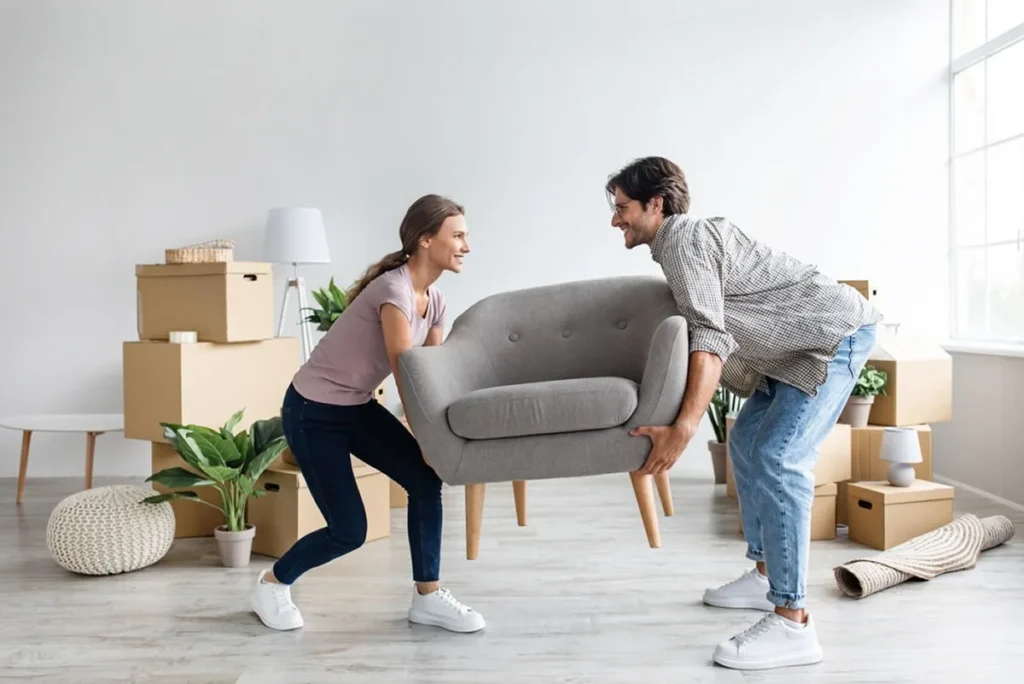
You’ve spent years — and probably a small fortune — making your home look exactly the way you want it. The last thing you need is a deep gouge across your freshly polished floorboards or a cracked tile from a dropped bookshelf on moving day.
Moving heavy furniture is one of the riskiest parts of any home relocation. Done right, it’s smooth and efficient. Done wrong, it leaves behind scratches, dents, and damage that can cost hundreds — sometimes thousands — of dollars to repair.
At Gem Movers, we move heavy furniture across Melbourne every single day. Over the years, our team has developed tried-and-tested techniques to protect every type of floor surface — from the beautiful hardwood floors of Hawthorn homes to the polished tiles of South Yarra apartments and the plush carpets of family homes in the eastern suburbs.
Here’s everything you need to know about how to move heavy furniture without damaging your floors.
Why Floor Protection Matters More Than You Think
It’s easy to underestimate how much damage heavy furniture can cause during a move. A dining table dragged even half a metre across hardwood can leave a visible scratch. A bookshelf dropped from even a few centimetres can crack a tile or dent a floorboard. A heavy wardrobe rolled without protection can compress and permanently mark carpet fibres.
And it’s not just your current home at risk. You need to protect the floors of your new home too — damage caused during move-in can affect your ability to claim bond returns in rental properties or simply ruin the joy of moving into a beautiful new space.
Floor protection isn’t an optional extra. It’s an essential part of every professional move.
Know Your Floor Type First
Different floor surfaces require different protection strategies. Before moving day, identify what you’re working with:
- Hardwood and timber floors — the most vulnerable; highly susceptible to scratches and gouges from dragging
- Laminate floors — similar to timber but can also chip or crack under heavy point loads
- Tiles (ceramic or porcelain) — durable but can crack from sharp impact or excessive weight concentration
- Vinyl and hybrid flooring — can tear, scuff, or leave permanent indent marks
- Carpet — can be flattened, stained, or torn, especially at doorways and transitions
Once you know your surfaces, you can choose the right protective tools and techniques for each area.
The Essential Floor Protection Kit
Before you move a single piece of furniture, gather these materials:
- Furniture sliders / felt pads — place under furniture legs to glide smoothly across hard floors
- Moving blankets — thick blankets that protect both furniture and floors during moves
- Floor runners / protective film — adhesive or non-adhesive rolls laid along high-traffic pathways
- Cardboard sheets — budget-friendly option for protecting hard floors along movement paths
- Carpet film / carpet protection tape — self-adhesive plastic film that protects carpet from dirt, moisture, and tears
- Rubber non-slip pads — stop furniture from sliding on carpet when repositioning
- Dolly or furniture trolley — for safely moving heavy items without dragging
- Lifting straps — allow two people to carry heavy furniture off the floor entirely
💡 Gem Movers Tip: Professional removalists bring all of this equipment as standard. If you’re doing a DIY move, hire or purchase these items in advance — they’re available at Bunnings or any moving supply store across Melbourne.
Step-by-Step: How to Move Heavy Furniture Safely
Step 1: Clear and Prepare the Path
Before you move anything, walk the entire path from each room to the truck — and then from the truck into your new home. Look for:
- Narrow doorways or tight corners
- Transitions between floor types (e.g. timber to tile)
- Raised door thresholds
- Stairs or level changes
Remove rugs, door mats, loose cables, and any other trip hazards. Then lay your floor runners or protective film along the entire path. For stairs, use moving blankets secured with tape.
Step 2: Disassemble Where Possible
The lighter and smaller a piece of furniture is, the less risk it poses to your floors. Before attempting to move large items:
- Remove drawers from dressers and cabinets
- Take apart bed frames, dining tables, and flat-pack furniture
- Remove doors from wardrobes and shelving units
- Take legs off sofas if they unscrew easily
Store all hardware (screws, bolts, fittings) in labelled zip-lock bags taped to the furniture piece.
💡 Gem Movers Tip: Photograph furniture and cable setups before disassembly. It makes reassembly at your new home significantly faster and less frustrating.
Step 3: Use Furniture Sliders on Hard Floors
Furniture sliders are one of the most effective tools for protecting hard floors. They work by dramatically reducing friction between the furniture and the floor surface.
How to use them correctly:
- Tilt the furniture piece slightly (have a second person help to keep it stable)
- Place a slider under each leg or corner
- Gently push the furniture in the direction you want to move it — it should glide smoothly
- Keep movements slow and controlled; never rush or jerk the furniture
Use felt-base sliders on hardwood and laminate. Use plastic-base sliders on carpet. Never use plastic sliders on hardwood — they can scratch rather than protect.
Step 4: Use a Furniture Dolly for the Heaviest Items
For extremely heavy pieces — refrigerators, large bookshelves, pianos, washing machines — dragging is never the answer, even with sliders. This is where a furniture dolly or trolley becomes essential.
How to use a dolly safely:
- Tilt the furniture to one side and slide the dolly underneath
- Secure the item with moving straps if needed
- Roll slowly along the protected path
- Have one person guide from the front and one stabilise from behind
- Never let the dolly roll freely on slopes or stairs
For stairways, a stair-climbing dolly (with stepped wheels) is far safer than attempting to carry heavy items up or down stairs manually.
💡 Gem Movers Tip: Gem Movers uses professional-grade trolleys and dollies on every job. Moving a piano or large appliance? Leave it to us — these items require specialist equipment and training to move safely.
Step 5: Lift — Don’t Drag — Wherever Possible
Lifting furniture completely off the floor eliminates floor damage risk entirely. For items that two people can manage safely:
- Bend at the knees, not the waist — protect your back
- Keep the item close to your body — reduces strain and improves control
- Communicate with your partner — agree on “lift on three” and move in sync
- Use lifting straps — these distribute weight across your shoulders and allow better grip
Never attempt to lift furniture that is too heavy for two people. Overexertion causes injuries and dropped items cause floor damage. When in doubt, use a dolly — or call in the professionals.
Step 6: Protect Carpet Separately
Carpet requires its own approach. Unlike hard floors, carpet doesn’t scratch — but it does flatten, tear, and stain.
Carpet protection tips:
- Lay carpet film (adhesive protective plastic) along all main moving pathways before the move begins
- Use rubber furniture cups under heavy items left temporarily in place — this distributes the weight
- At doorway transitions (carpet to hard floor), use extra padding to prevent the dolly wheels catching and tearing the carpet edge
- After the move, use a carpet rake or stiff brush to lift compressed carpet fibres back up
Step 7: Protect Door Frames and Skirting Boards Too
Floors aren’t the only surfaces at risk. Doorframes, skirting boards, and walls take a beating during furniture moves as well.
Quick protection tips:
- Wrap furniture corners in moving blankets or foam padding before carrying through doorways
- Use door frame protectors (foam strips that clip over the frame temporarily)
- Move furniture through doorways at an angle where needed — most sofas and mattresses can be tilted to fit through standard Melbourne doorway widths
- Go slowly around corners — rushing is when most wall and frame damage happens
💡 Gem Movers Tip: At Gem Movers, we use furniture wrapping and protective blankets on every item as standard. We also assess doorway and access challenges before the move so nothing is left to chance on the day.
Special Situations: Melbourne Homes and Apartments
Melbourne’s diverse housing stock presents unique challenges when moving heavy furniture.
Victorian and Edwardian terrace homes (common in Fitzroy, Collingwood, Richmond, Brunswick) often feature narrow hallways, steep staircases, and original hardwood floorboards that require extra care. These floors are irreplaceable — treat them accordingly.
Modern apartments in areas like Southbank, Docklands, and St Kilda often have polished concrete or hybrid flooring, building rules about lift usage and moving hours, and long corridor distances from the lift to the apartment door.
Larger suburban homes in Melbourne’s east and south-east often feature open-plan layouts and a mix of timber, tile, and carpet — meaning you’ll need multiple floor protection strategies within the same property.
Always account for your specific property type when planning your floor protection approach.
When to Call Professional Melbourne Removalists
There are some situations where DIY furniture moving simply isn’t worth the risk:
- Pianos — require specialist equipment and technique; even a small upright piano can cause catastrophic floor damage if mishandled
- Large appliances — fridges, washing machines, and dryers are awkward, heavy, and often need to travel through tight spaces
- Antique or high-value furniture — irreplaceable pieces deserve professional handling
- Multi-storey moves — carrying heavy items up or down stairs is dangerous without the right equipment and training
- Tight access properties — Victorian terraces and inner-city apartments with narrow corridors and doorways
In these cases, the cost of hiring professional removalists is far less than the cost of repairing floor damage — or treating a back injury.
Quick Reference: Floor Protection by Surface
| Floor Type | Best Protection Method |
|---|---|
| Hardwood / Timber | Felt sliders, floor runners, moving blankets |
| Laminate | Felt sliders, cardboard sheets, floor runners |
| Ceramic / Porcelain Tile | Dolly with wheels, cardboard, avoid dragging |
| Vinyl / Hybrid Flooring | Felt sliders, floor film, avoid heavy point loads |
| Carpet | Carpet film, rubber cups, stair transition padding |
Final Thoughts: Protect Your Floors, Protect Your Investment
Your floors are one of the most visible — and most expensive — features of your home. Taking the time to protect them properly during a move is one of the smartest things you can do, whether you’re leaving a rental property or moving into your dream home.
With the right tools, the right technique, and a bit of forward planning, you can move even the heaviest furniture without leaving a single mark.
And if you’d rather leave the hard work to the experts? Gem Movers is Melbourne’s trusted removalist team — fully equipped, fully trained, and committed to protecting your home from the first lift to the last box.
👉 Get a free quote from Gem Movers today and move with complete confidence.
Gem Movers is Melbourne’s trusted removalist service, helping families and businesses relocate safely, quickly, and stress-free across all Melbourne suburbs and interstate. Contact us to discuss your next move.